
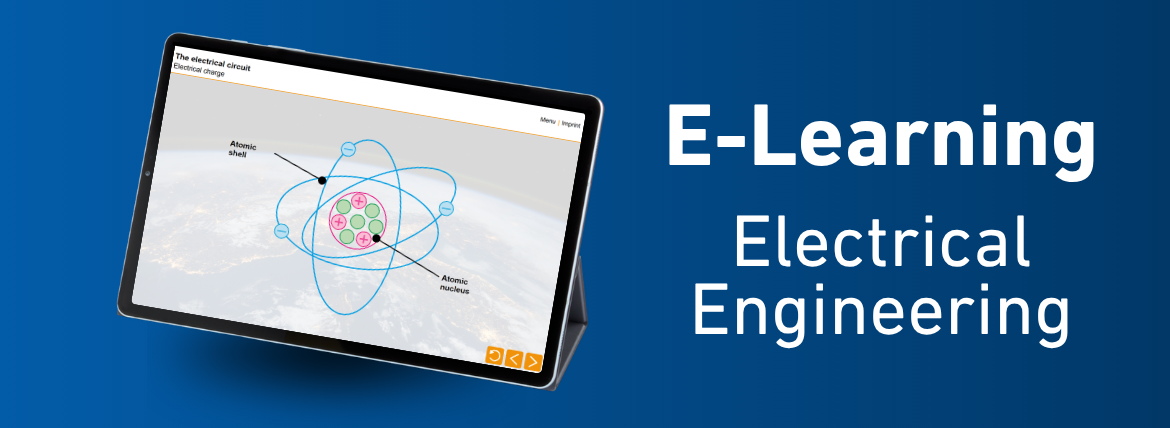
Fundamentals of Electrical Engineering
Digital training in electrical engineering
With Christiani e-learning courses, you can deliver all the learning content that an electrical engineering trainee needs to know. Trainees manage their own learning independently and at their own pace. Whether using a tablet or a PC, they can decide for themselves when and where they want to learn. The mix of reading texts, animated graphics, images, videos and narrated content makes this form of knowledge transfer clear and engaging.
Christiani’s e-learning courses consist of topic-based modules, each containing self-contained learning units. In over 30 modules, totalling approximately 50 hours of study time, new knowledge can be acquired or existing knowledge consolidated. Each module concludes with a learning objective assessment. This allows the trainee to constantly reflect on whether they can apply the knowledge they have learnt in theory.
E-Learnings Basics
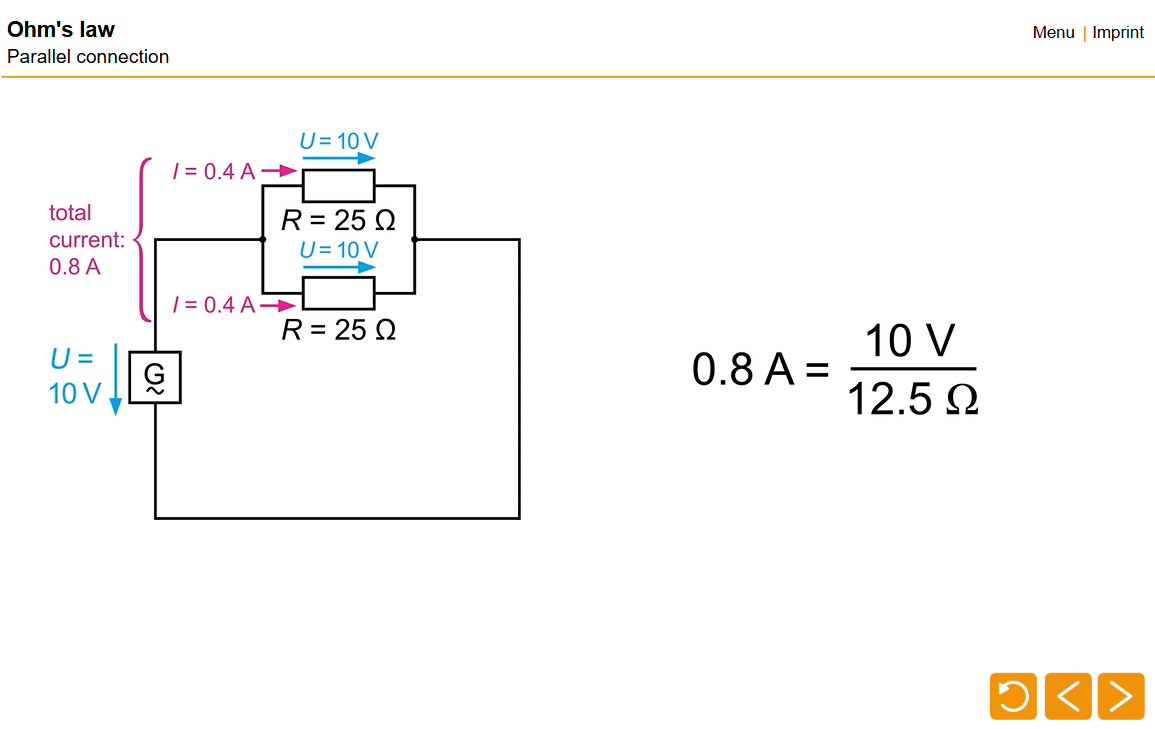
This module covers the fundamental principles of electrical engineering. The interactive learning programme clearly explains topics such as electrical circuits, Ohm’s law, circuit measurements and many other subjects relevant to vocational training.
The electrical circuit: electric charge, technical parameters of the circuit, the concept of potential, voltage drop.
Ohm’s Law: the various circuit configurations and proportional relationships in parallel, series and combination circuits.
Measurements in a simple electrical circuit: measuring resistance, voltage and current.
Energy conversion: heat, work, power and efficiency.
Power supply: types of adapters, connecting voltage sources.
Duration: approx. 1 hour (total)
The Electrical Circuit
- Electric charge
- Technical parameters of the circuit
- The concept of potential
- Voltage drop
Ohm’s Law
- Parallel connection
- Series connection
- Group connection
Measurements in a simple electrical circuit
- Resistance measurement
- Voltage measurement
- Current measurement
Energy conversion
- Heat
- Work
- Power
- Efficiency
Power supply
- Matching methods
- Connection of voltage sources
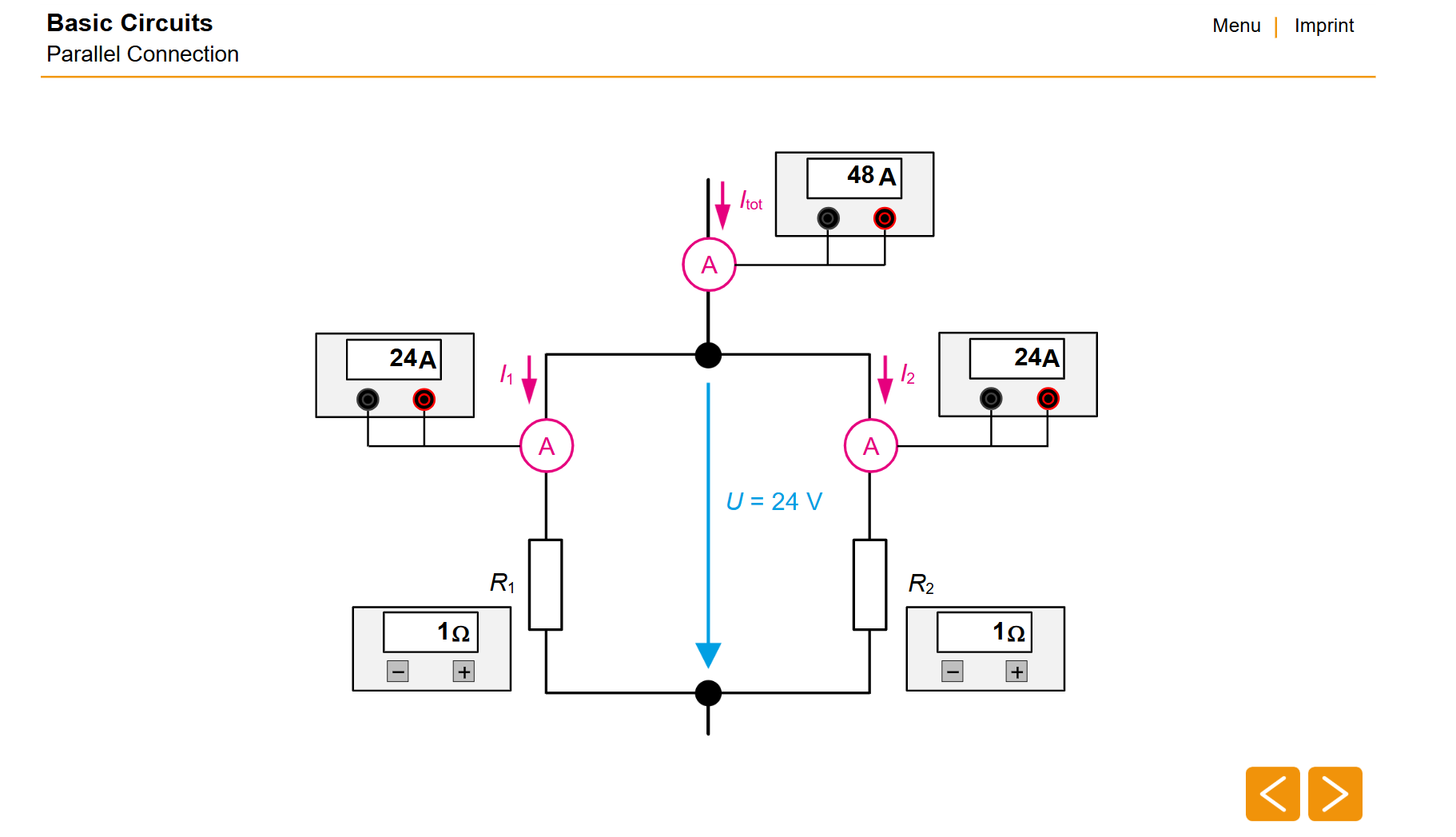
This interactive learning programme builds on the topics already covered in Module 1. In this Module 2, the behaviour and use of resistors in electrical circuits are described and explored in greater depth.
Circuit configurations of resistors: The rules for parallel, series and group connections.
Voltage dividers: Voltage dividers are very commonly used in electronics: series resistor, unloaded voltage divider, loaded voltage divider and bridge circuit.
Types of resistors: Fixed resistors, potentiometers, trimmer potentiometers and high-current resistors.
Non-linear resistors: As a foundation and link to sensor technology – PTC thermistors, RTD thermistors, light-dependent and voltage-dependent resistors.
Circuitry of resistors
- Parallel connection
- Series connection
- Group connection
Voltage dividers
- Series resistor
- Unloaded voltage divider
- Loaded voltage divider
- Bridge circuit
Types of resistors
- Fixed resistors
- Potentiometers
- Trimmer potentiometers
- High-current resistors
Non-linear resistors
- PTC thermistors
- PTC thermistors
- Light-dependent resistors
- Voltage-dependent resistors
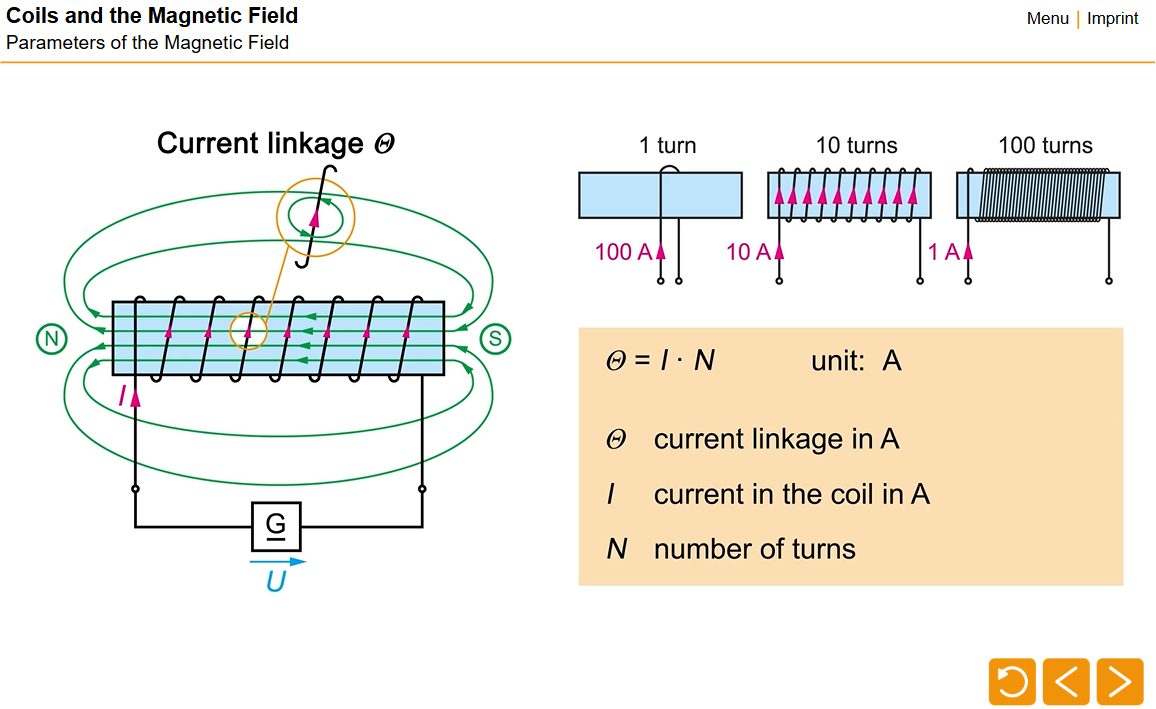
The third module of the Electrical Engineering e-learning course focuses on electric fields and capacitors. This module introduces users to the construction of coils and the associated magnetic field. The function and various types of capacitor circuits can also be explored using clear animations and educationally designed exercises.
Capacitors and Electric Fields: Introduction to electric fields, insulating materials and energy in electric fields. The module also covers the connection, characteristic values, designs of capacitors and their behaviour under DC voltage.
Coils and Magnetic Fields: Structure and characteristics of magnetic fields and coils. Furthermore, induction is explained and illustrated using various examples.
Duration: approx. 1 hour (total)
Capacitors and electric fields
- Electric field
- Capacitor
- Electric field strength
- Insulating materials in electric fields
- Capacitor circuits
- Energy of the electric field
- Capacitors under DC voltage
- Time-dependent behaviour of capacitor voltage and current
- Characteristic values of capacitors
- Types of capacitors
Coils and magnetic fields
- Magnetic field
- Coil
- Magnetic field quantities
- Magnetic circuit
- Force in a magnetic field
- Electromagnetic induction
- Self-induction
- Circuitry of inductors
- Energy of the magnetic field
- Coil in a direct current circuit
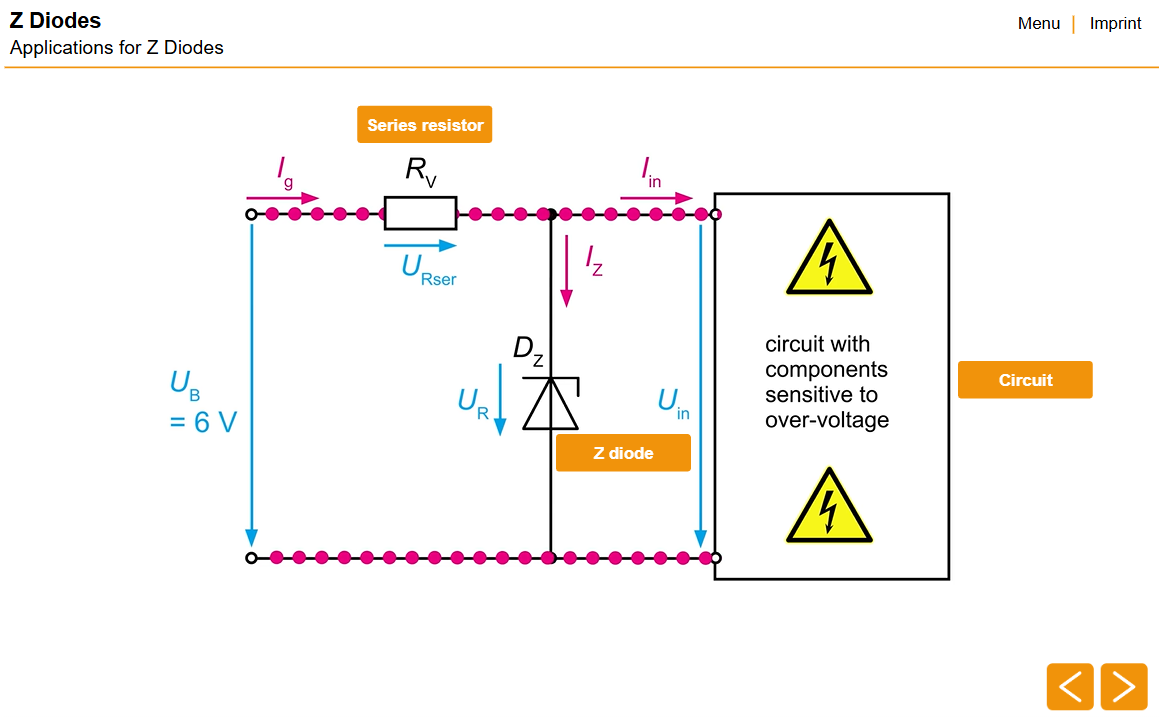
Under the umbrella term ‘Active Components’, this module provides a comprehensive overview of the fundamentals of diodes, Z-diodes and light-emitting diodes, as well as transistors.
A comprehensive and particularly clear module from the e-learning series in the field of electrical engineering.
Duration: approx. 2 hours (total)
Diodes
- Basic knowledge
- Doping
- How diodes work
- PN junction
- Applications of diodes
- Reverse-biased diodes
- Reverse-bias protection diodes
- Diodes in rectifier circuits
Z-diodes
- Basic knowledge
- Applications of Z-diodes
- Voltage stabilisers
Light-emitting diodes
- Structure and operation of light-emitting diodes
- Series resistor circuit
- Characteristics and limit values
Transistors
- Structure of bipolar transistors
- NPN transistor as a switch
- Transistor as a DC voltage amplifier
- Transistor as a variable resistor
- Current regulation with a current-control transistor
- Fixed-voltage regulator
- DC power supply
Parameters and Generation
- Key Parameters
- Generation of Sinusoidal AC Voltages
- Representation of Sinusoidal AC Quantities
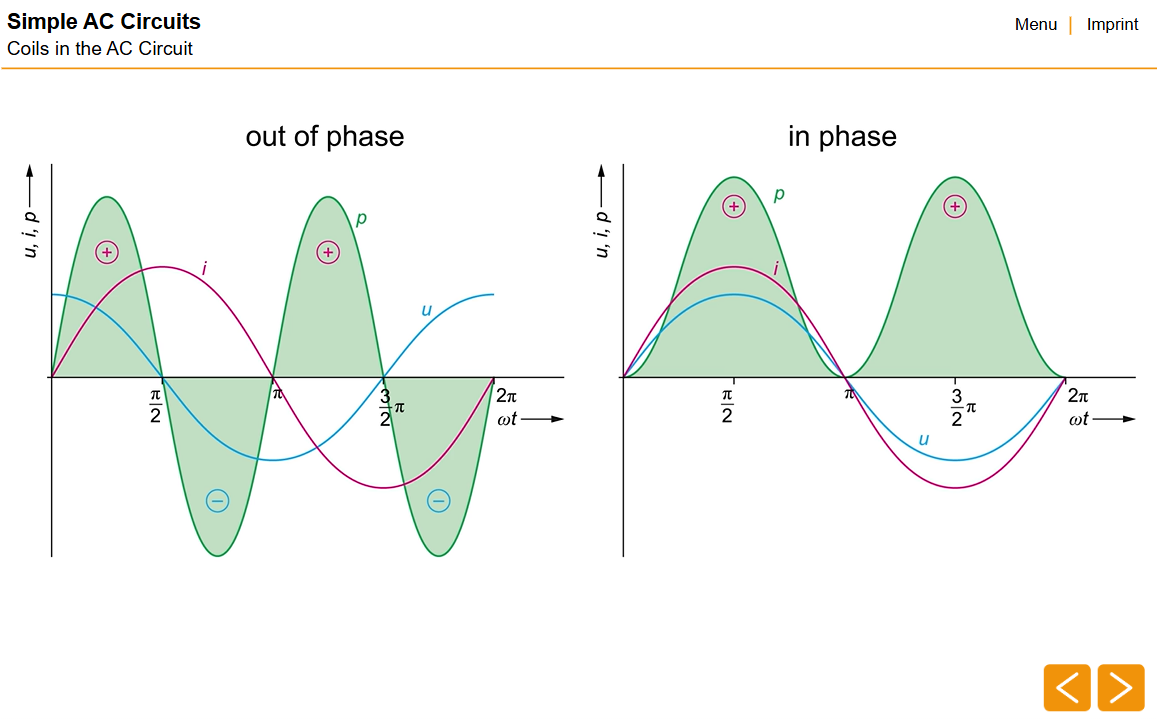
Simple AC Circuits
- AC Circuit with Resistive Load
- AC Circuit with Inductor
- AC circuit with a capacitor
Compound AC circuits
- RL series circuit
- RL parallel circuit
- RC series circuit
- RC parallel circuit
- RLC series circuit
- RLC parallel circuit
- Resonance/Mixed circuits
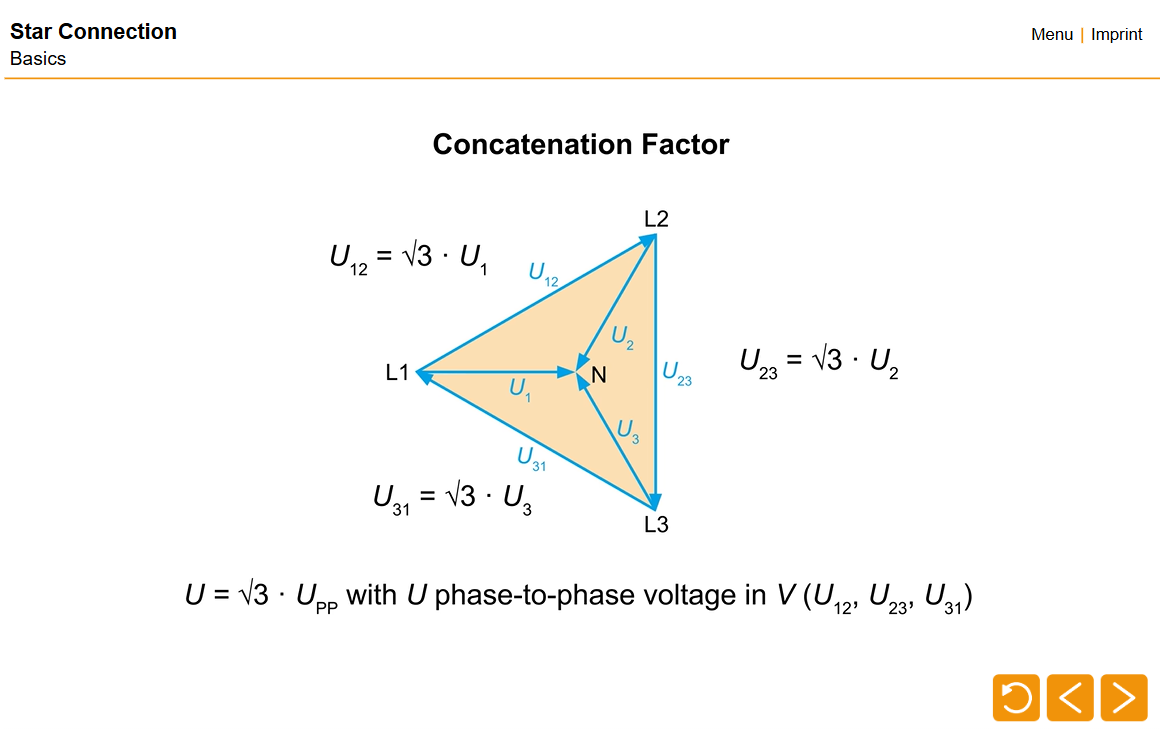
This is the second part of the ‘Alternating Current Technology’ module in the e-learning series on electrical engineering. This module explains the generation and representation of three-phase alternating current technology, as well as various circuits and power ratings, whereas the previous module focuses initially on simple and compound alternating current circuits.
Duration: approx. 30 minutes (total)
Generation and representation
- Three-phase alternating current technology
- Connection
Star connection
Delta connection
Power
This module of the Electrical Engineering e-learning course covers the fundamental knowledge relating to electrical wiring. Furthermore, additional information on circuit protection and an overview of the standards and types of wires and cables ensure that users gain a comprehensive understanding of electrical wiring.
Fundamentals of electrical wiring: Explanation of conductor resistance, voltage drop, the effects of power loss, current density and the current-carrying capacity of electrical wiring.
Circuit protection: How electrical wiring can be protected using overcurrent protection devices, fuses and circuit breakers.
Types of wiring (standards): Overview of the standards and illustration of different electrical wires and cables.
Duration: approx. 30 minutes (total)
Basics of Electrical Wiring
- Conductor resistance
- Voltage drop
- Power loss
- Current density
- Current-carrying capacity
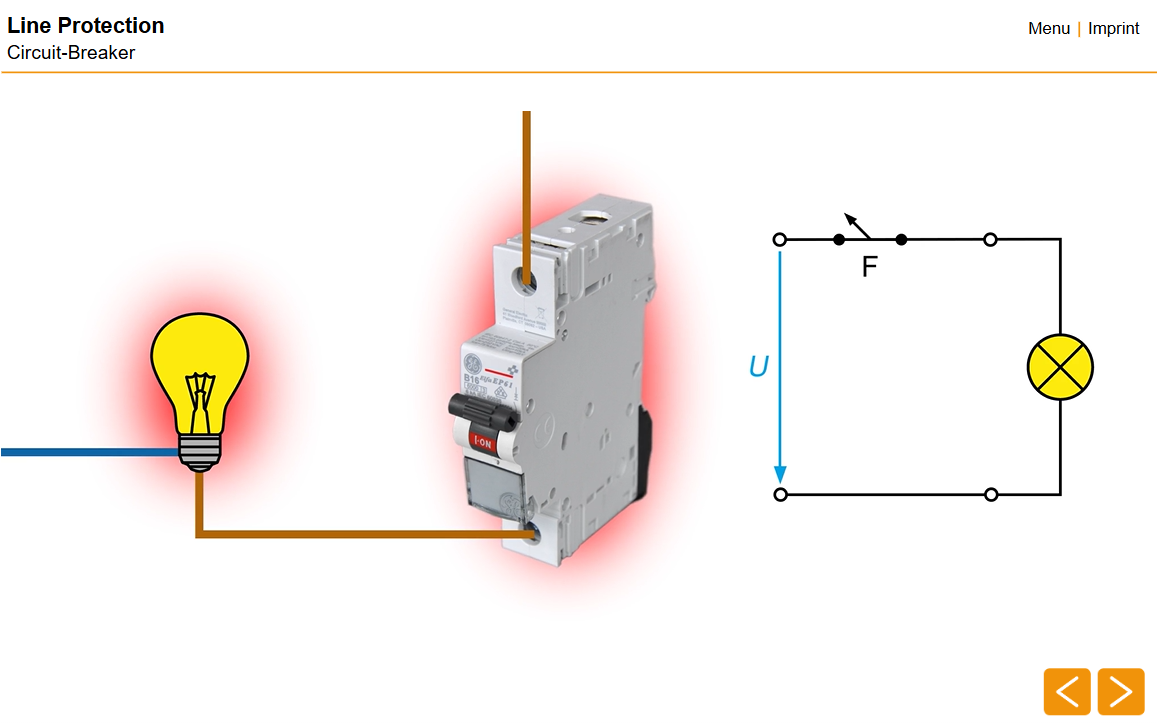
Circuit protection
- Overcurrent protection devices
- Fuses
- Circuit breakers
Types of wiring (standards)
- Wires and cables
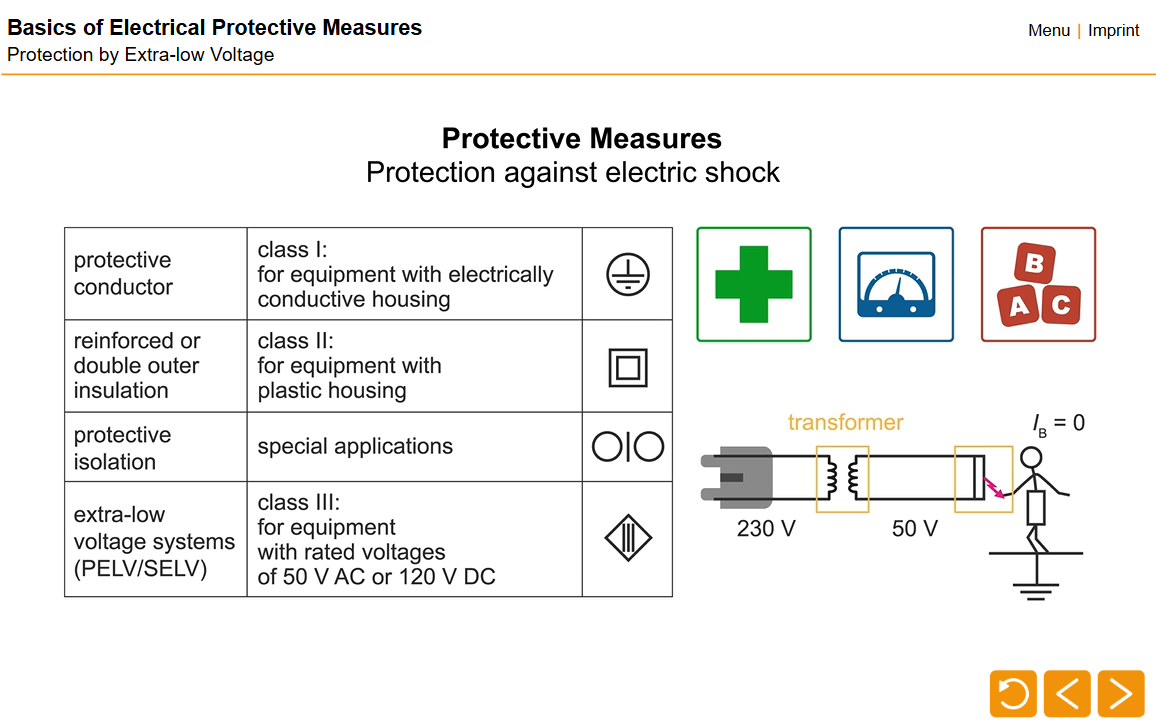
This section covers safety measures in electrical engineering, i.e. precautions to protect people and animals from electric shock caused by hazardous contact voltage, as well as safety devices specific to power supply systems.
Duration: approx. 1 hour (total)
Electrical Safety Measures – Fundamentals
- Safety Measures
- Residual current circuit
- The five safety rules
- Protection against electric shock
- Protection by extra-low voltage
- Protection by reinforced and double insulation
- Protective separation
- Equipotential bonding
Network-specific protective measures
- Protective measures in the TN system
- Residual current device
- Protective measures in the TT system
- Protective measures in the IT system
This module clearly explains installation circuits – i.e. the various basic circuits such as off-circuit and two-way circuits – as well as the fundamentals of lighting technology.
Duration: approx. 30 minutes (total)
Installation circuits
- Circuit with sockets
- Off circuit
- Series circuit
- Two-way circuit
- Cross-connection
- Surge circuit
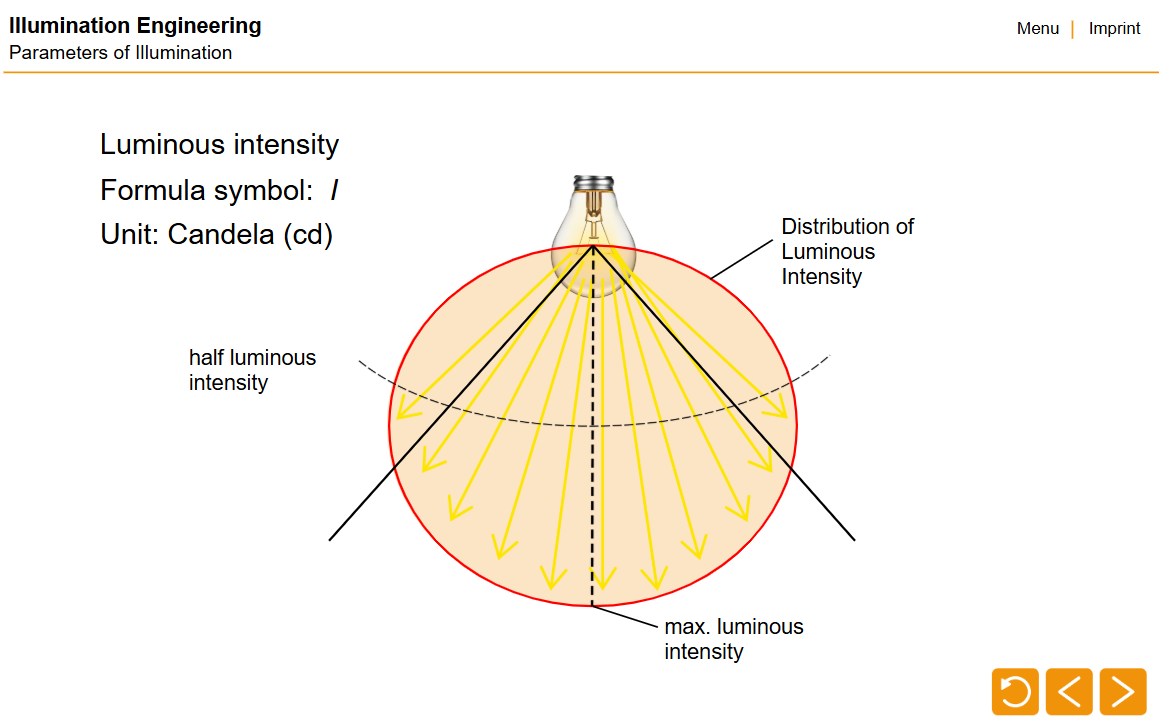
Lighting technology
- Fluorescent lamps
- Sizing of lighting systems
- Lamps
- Calculation of lighting systems
- Luminaires
- Industrial hall lighting
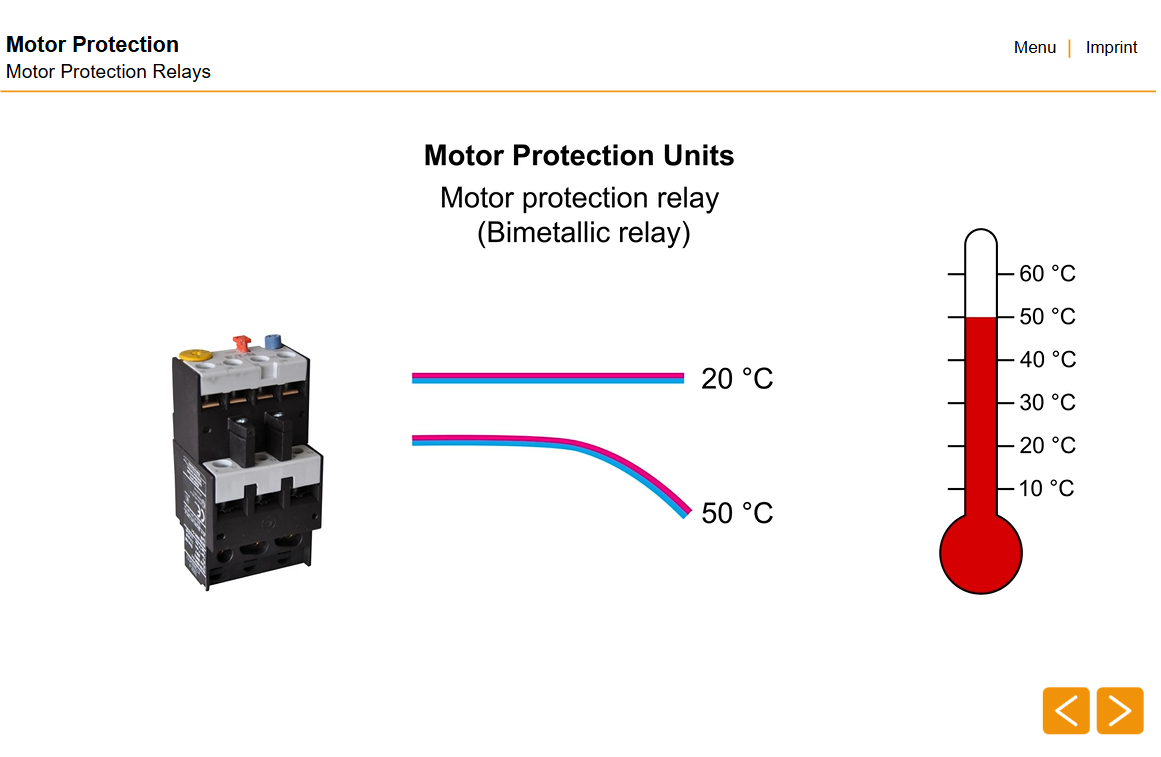
The first part of the ‘Control Technology’ module in the e-learning series focuses on the topic of ‘Electromechanics’. In addition to the control system setup covered in the first chapter (contactors, relays, etc.), the topic of motor protection is clearly explained to the user. Using a conveyor control system as an example, the equipment previously introduced is examined in greater detail and explained in basic terms; finally, the user learns how control systems are represented, for example, in circuit diagrams.
Duration: approx. 30 minutes (total).
Control system setup
- Contactors
- Relays
- Control devices
- Indicator lights
- Limit switches
Motor protection
- Motor protection relays
- Motor protection switches
- Full motor protection
Analysis of a conveyor belt control system
- Fundamentals
Representation of control systems
- Circuit diagrams
- Equipment connections and wiring connections
- Terminals and terminal connections
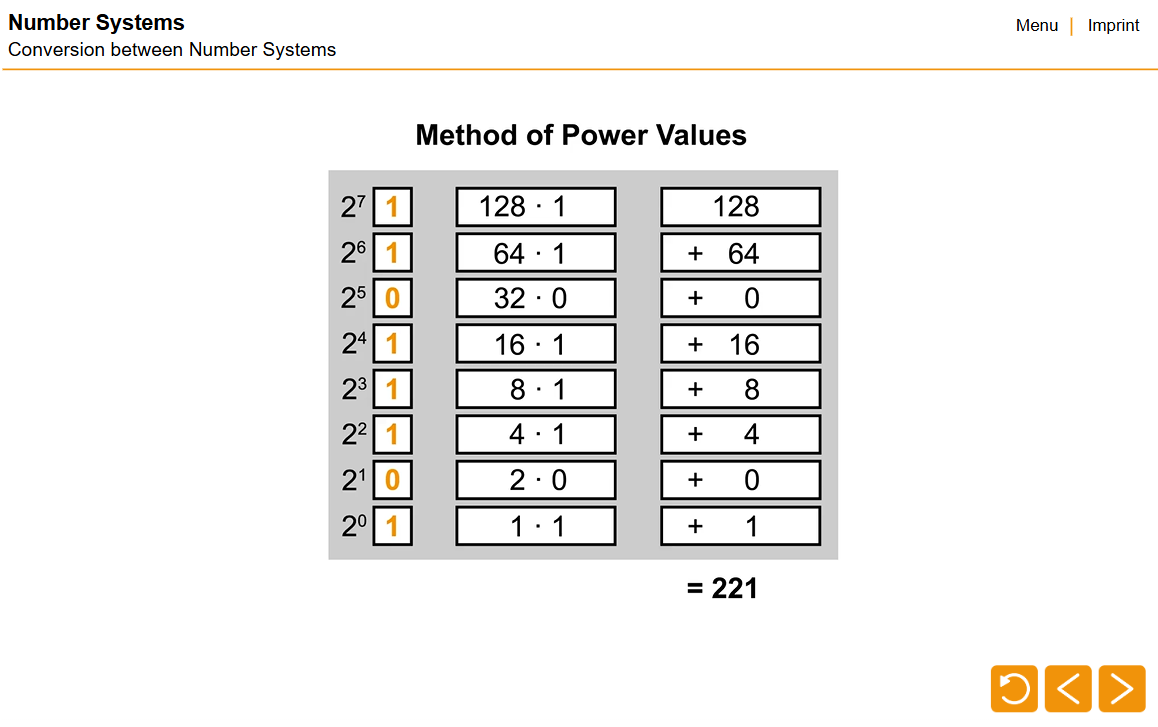
This is the second part of the ‘Control Engineering’ module in the e-learning series on electrical engineering. Under the heading ‘Basic Logic Functions’, the module covers logical gates such as AND/NAND, OR/NOR and NOT gates. Furthermore, in this module, users will explore signal storage and number systems, with the important binary system naturally featuring prominently.
Duration: approx. 30 minutes (total)
Logical gates
- AND gate/NAND
- OR gate/NOR
NOT gate
- Signal storage
- Representation in contactor control systems
- Priority switch-off
- Priority switch-on
Number systems
- Basics/Number systems/Calculation/Conversion
- Circuits with the various gates
- Basic circuits, fundamental law
- Analysis and synthesis of binary circuits/Exercises
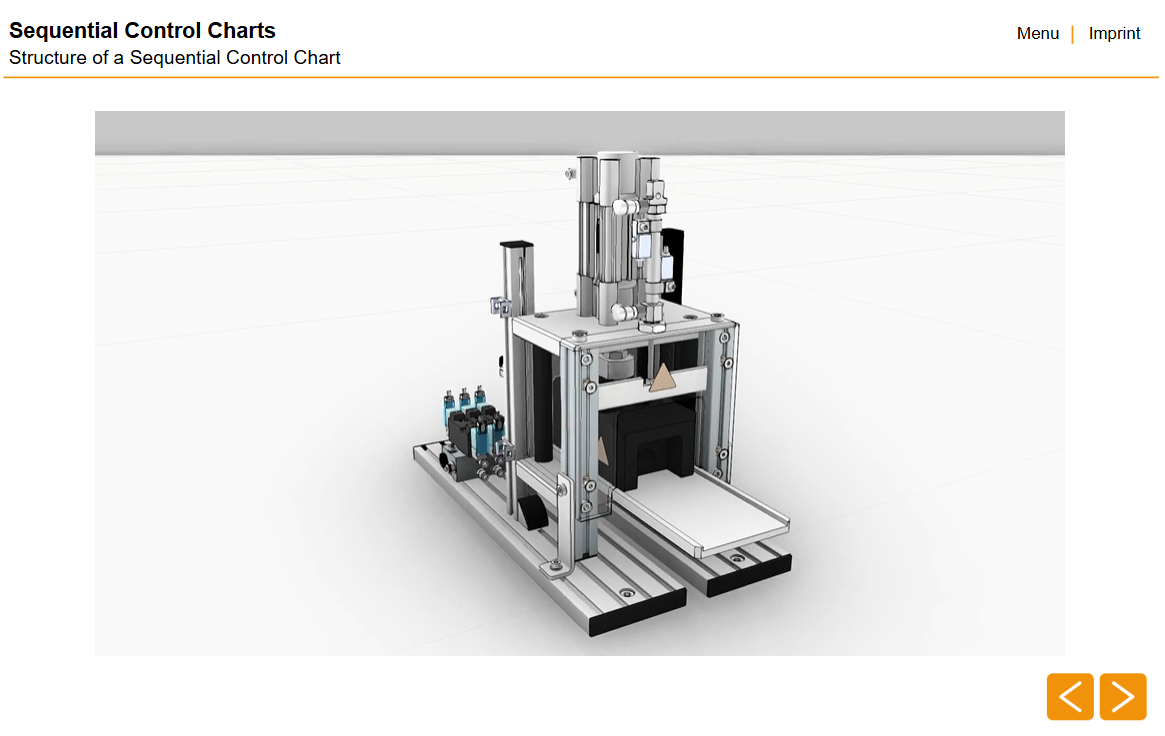
The third part of the ‘Control Engineering’ e-learning series in the field of electrical engineering focuses in depth on sequence control. The course of the same name covers all the topics necessary to understand sequence control. These include transitions, structure, commands and actions, and the GRAFCET design language. A distinctive feature of this e-learning course is its reference to a module from Christiani’s SSC 4.0 modular mechatronics system. This will enable you to gain a thorough understanding of sequence control.
Duration: approx. 30 minutes (total)
Sequence control
- Structure of a sequence control system
- Commands and actions
- Circuit logic
- The GRAFCET design language
- Application of a sequence control system
- Summary
The ‘Control Engineering 4’ module of the e-learning series on electrical engineering explains the programming and wiring of a programmable logic controller (PLC).
It focuses in particular on programming languages, editing, programming with flags and brackets, and the programming of memory functions. Time functions and edge detection are covered at the end of the e-learning module.
Duration: approx. 30 minutes (total)
Basics
- Wiring of the PLC
- Programming a PLC
Programming
- Programming languages
- Program execution
- Programming with brackets and flags
- Programming memory functions
- Time functions
- Edge detection

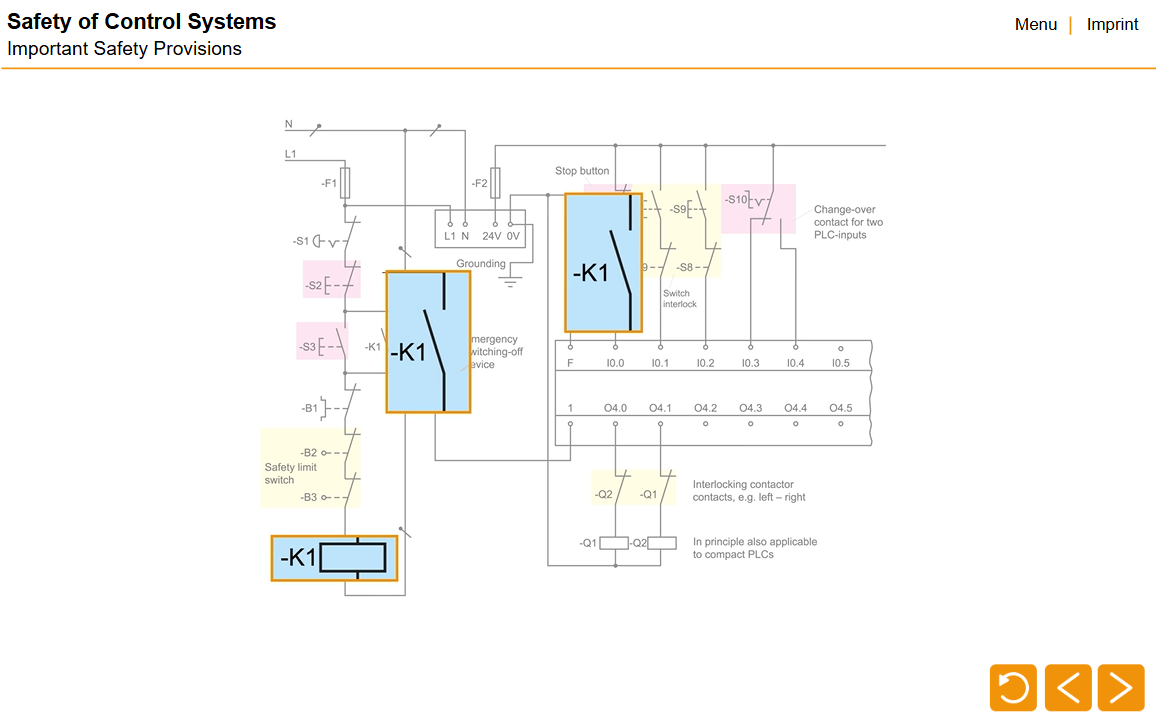
‘Control Technology 7’ is the final basic module in the e-learning series on control technology and focuses on the safety of control systems, including emergency stop devices and emergency command devices.
The necessity of and understanding of this important topic is strongly emphasised in this e-learning module and explored in depth in various sub-sections.
Duration: approx. 30 minutes (total)
Safety of control systems
- General
- Safety circuits
- Redundancy
- Actions in an emergency
- Types of faults
- Important safety regulations
- Earthing of the control circuit
Emergency control devices
- Additional circuits
- Safety relays (emergency stop relays)
- Safety-related control systems
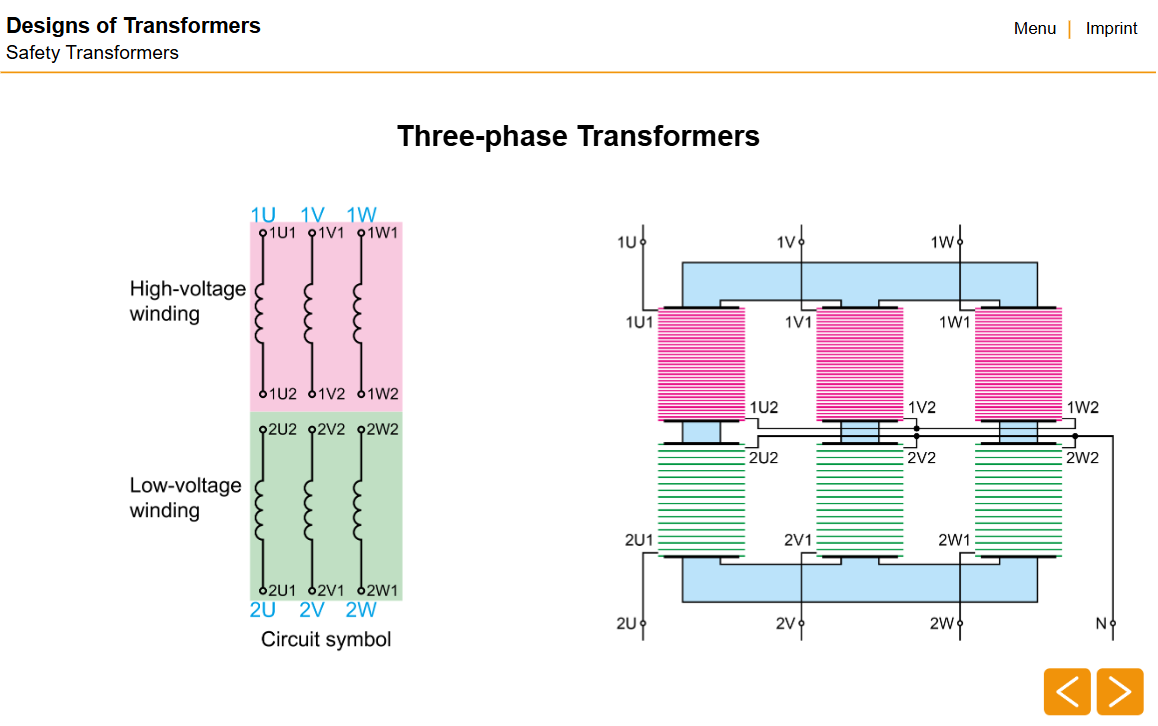
Part 1 (basics) provides an initial overview and introduction to the subject of transformers, in line with the curriculum for the first year of training. Part 2 (advanced) builds on this later and deepens the knowledge.
Duration: approx. 30 minutes (total)
Structure and principle of operation
- Structure of the transformer
- Principle of operation of the transformer
- Turns ratio
- Short-circuit voltage
Types
- Rating plate
- Cooling
- Small transformers
- Safety transformers
- Autotransformer
- Instrument transformers
This module covers the various types and functions of electric motors. Particular emphasis is placed on three-phase and capacitor motors. You will also learn about different circuit configurations, such as the star-delta starting circuit and the Dahlander connection. Electric Drive Technology 1 – Basics provides the fundamental knowledge, before the advanced series revisits electric motors and, in the process, explains various motor types in greater detail, such as DC motors, synchronous motors, etc.
Duration: 1.5 hours (total)
Three-phase motors
- Introduction
- Principle of operation
- Rotating field with torque development
- Slip, rotor speed and rotor frequency
- Torque
- Power
- Direction of rotation
Star-delta starting circuit
Dahlander circuit
Three-phase motors on a single-phase supply
Capacitor motor
- Series connection of resistors
- Parallel connection of resistors
- Mixed connection of resistors
- Series connection of capacitors
- Parallel connection of capacitors
- Resistor, inductor and capacitor in series
- Resistor, inductor and capacitor in parallel
- Series oscillating circuit and series resonance
- Parallel oscillating circuit and parallel resonance
- Basics of phasor representation
- Phasor representation for series connection: R, L, C
- Phasor representation for parallel connection: R, L, C
- Charging capacitors
- Discharging capacitors
- Coil energisation
- Coil de-energisation
E-Learning Electrical Engineering – Basics Package
The Basics package from Christiani’s e-learning series includes all existing modules covering the fundamental subject area. When you purchase the annual licence, you can manage your trainees independently via the Christiani learning portal, grant flexible access to the individual modules and view their learning progress. Benefit from a comprehensive solution with our Basics package. The package is also available to schools as an annual licence.